
Little Gonerby CE Primary Academy
Anti-Bullying, ELSA, Mental Health and Wellbeing Resources
We want to support the school community to promote a whole-school culture of compassion, respect and honesty to combat any bullying of any kind.
Your views and support is essential to the school getting this right.
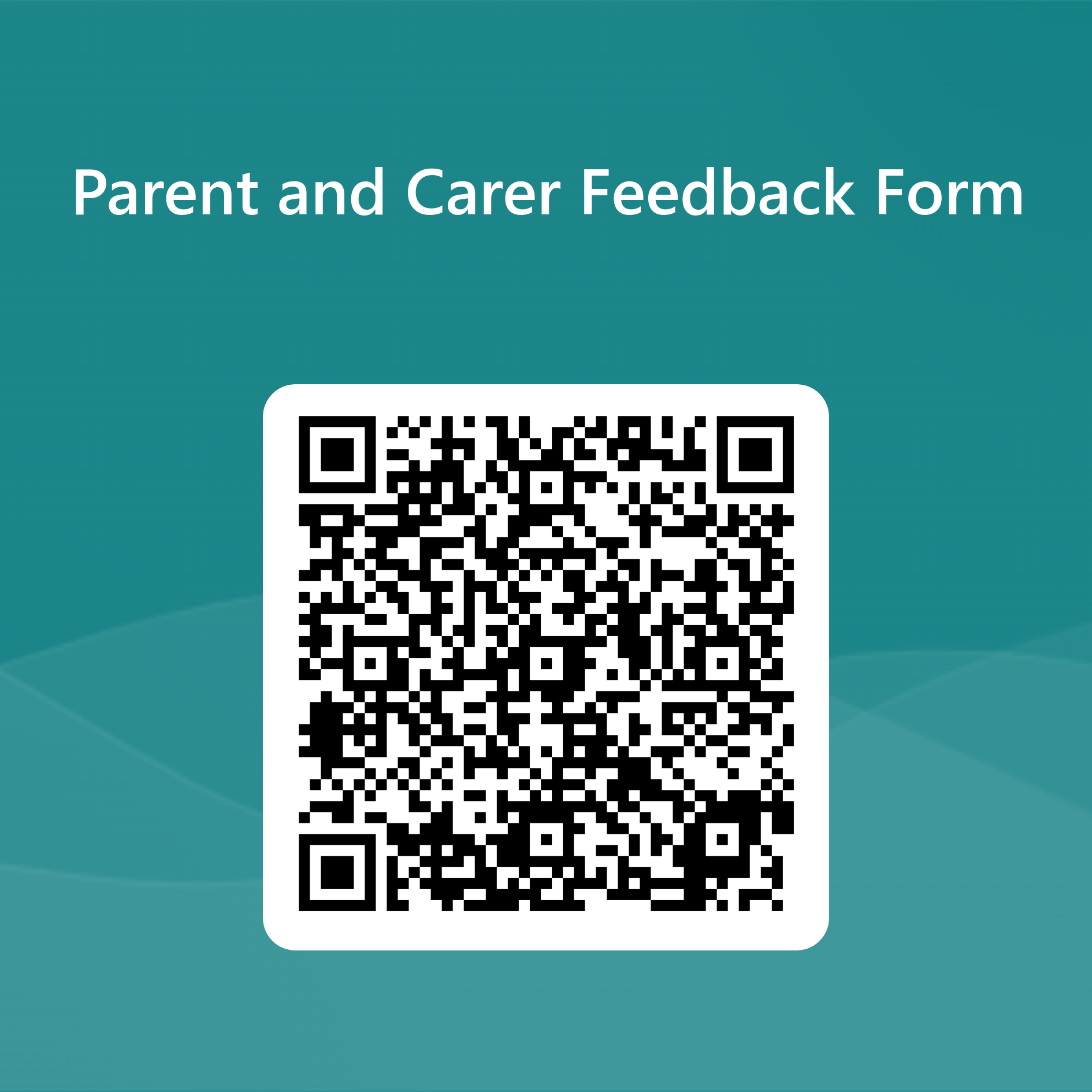
We would be grateful if you could read the draft Anti-Bullying Policy and complete the feedback form. Your responses will help inform the final version of this policy.
Draft Anti-Bullying Policy
Please click on this link or scan the QR code to provide feedback on the new Anti-Bullying Policy:
Useful information and resources
Not all situations in which children are involved in conflict or relationship difficulties can be classed as bullying. Knowing how to identify and respond to relational issues is part of being able to respond effectively to bullying.
Here is an easy read Anti-Bullying Policy we have prepared to help you understand what bullying is.
If you have any concerns about bullying at Little Gonerby School, please complete this form:
Children can experience a form of bullying in any context, but some groups of children are more at risk of bullying because they may identify as, or are perceived to be, 'different' from their peers including being targeted because of this. The following resources are provided for children who would be considered as being in an at-risk group.
Special Educational Needs and/or Disability
Disabled children and those with SEN (SEND) are significantly more likely to experience bullying - including online bullying - than their peers. Children who have learning disabilities and autism are particularly at risk.
The Equality Act 2010 introduced a pubic sector equality duty. All schools must have due regard to the need to:
- eliminate discrimination, harassment, victimisation and any other conduct that is prohibited under the Act.
- Advance equality of opportunity between persons who share a relevant protected characteristic and persons who do not share it.
- foster good relations between persons who share a relevant protected characteristic and persons who do not share it.
This duty covers the protected characteristics which includes disability. Schools must act if they are aware of the use of discriminatory language or language which targets pupils or school staff because of their protected characteristics. More information is found in the Equality and Human Rights Commission guidance:
If you have any concerns that a child at our school with SEND is at risk of bullying, please complete the form below:
The links below will help families and children with SEND:
LGBGT+
LGBT (lesbian, gay, bisexual and transgender) children can be more at risk from bullying due to being targeted for their actual or perceived sexuality or gender identity.
The Equality Act 2010 introduced a pubic sector equality duty. All schools must have due regard to the need to:
- eliminate discrimination, harassment, victimisation and any other conduct that is prohibited under the Act.
- Advance equality of opportunity between persons who share a relevant protected characteristic and persons who do not share it.
- foster good relations between persons who share a relevant protected characteristic and persons who do not share it.
This duty covers the protected characteristics which include sex, sexual orientation and gender assignment. Schools must act if they are aware of the use of discriminatory language or language which targets pupils or school staff because of their protected characteristics. More information is found in the Equality and Human Rights Commission guidance:
If you have any concerns that a child at our school with the protective characteristic of LGBT+ is at risk of bullying, please complete the form below:
The links below will help families with LGBT protective characteristics
Race & Faith, including Gypsy, Roma and Traveller children
Race and faith-targeted bullying is bullying that is perceived by the victim or other person to be racist or bullying that targets a person's faith.
Under the Equality Act 2010 the protected characteristic of race includes colour, nationality and ethnic or national origins. It is also unlawful to discriminate against someone because of their religion or belief or because of a lack of a religion or belief.
The Equality Act 2010 introduced a pubic sector equality duty. All schools must have due regard to the need to:
- eliminate discrimination, harassment, victimisation and any other conduct that is prohibited under the Act.
- Advance equality of opportunity between persons who share a relevant protected characteristic and persons who do not share it.
- foster good relations between persons who share a relevant protected characteristic and persons who do not share it.
This duty covers the protected characteristics which includes race & faith, including Gypsy, Roma and Traveller children. Schools must act if they are aware of the use of discriminatory language or language which targets pupils or school staff because of their protected characteristics.
You can find out more via the Equality and Human Rights Commission guidance.
If you have any concerns that a child at our school with the protective characteristic of Race & Faith, including Gypsy, Roma and Traveller is at risk of bullying, please complete the form below:
The links below will help families with this protective characteristic:
Appearance related
Appearance-related bullying is bullying that targets an aspect of a person's appearance. For example, they could be bullied for their size, height or disfigurement.
It can be often linked with other types of bullying such as racist bullying, disablist bullying, sexist bullying and bullying of LGBT children. It is often thought of as the most common reason for children experiencing bullying.
The Equality Act 2010 introduced a pubic sector equality duty. All schools must have due regard to the need to:
- eliminate discrimination, harassment, victimisation and any other conduct that is prohibited under the Act.
- Advance equality of opportunity between persons who share a relevant protected characteristic and persons who do not share it.
- foster good relations between persons who share a relevant protected characteristic and persons who do not share it.
This duty covers the protected characteristics which includes appearance-related characteristics. Schools must act if they are aware of the use of discriminatory language or language which targets pupils or school staff because of their protected characteristics. More information is found in the Equality and Human Rights Commission guidance:
If you have any concerns that a child at our school with appearance-related protective characteristics is at risk of bullying, please complete the form below:
The links below will help families with this protective characteristic:
Looked after Children
Care-experienced children (i.e. looked after children and those who have been in care) are among the groups who are most at risk of bullying.
For this reason, as a school, we want to raise the awareness of the additional challenges care-experienced children experience and work closely with the families and agencies involved with care-experienced children. Little Gonerby School take a restorative approach that looks into the reasons for children's behaviour and care-experienced children who are involved in bullying.
If you have any concerns that a child at our school with a care-experience is at risk of bullying, please complete the form below:
The links below will help families with care-experienced children:
Young Carers
Young carers are a vulnerable group and are significantly more likely to be bullied face to face and online.
A young carer is a child under the age of 18 who helps look after someone in their family, or friend, who is ill, disabled, living with a mental health condition or who misuses substances.
Young carers have a range of responsibilities which might include caring for a sick relative or friend, or taking on the role of translator for their parents if English is not their first language. This can have a significant impact on their lives which can leave them feeling different or isolated from their peers.
As a school, we are committed to supporting young carers generally, but particularly if they are experiencing any bullying because of the role they have in their family. Little Gonerby School offers a buddying support scheme to provide opportunities for young carers to speak to others in similar situations.
If you have any concerns that a child at our school who is a young carer is at risk of bullying, please complete the form below:
The links below will help families with children who are young carers:
Mental Health
There is a strong link between mental health and bullying. Children who have experienced bullying are more likely to experience mental health issues and those who have mental health issues are more likely to be bullied.
We have a dedicated page for mental health and wellbeing - see the link below.
If you have any concerns that a child at our school who is experiencing mental health issues is at risk of bullying, please complete the form below:
The links below will help families who are experiencing mental health issues due to bullying:
Sexual and Sexist Bullying
Bullying and sexual and sexist behaviours overlap and it is possible that behaviours can be sexual bullying, sexist bullying and sexual harassment. For example, sexual bullying taking place may also be a sign that there is heightened risk of harmful sexual behaviour, sexual exploitation and/or sexual violence.
This is a crucial area the school is committed to being aware of and responding quickly should any incidents arise. Anyone involved with this aspect of bullying will be fully supported and appropriate legal and safeguarding action will be taken to ensure that any incidents are appropriately dealt with.
If you have any concerns that a child at our school who is at risk of bullying, please complete the form below:
The links below will help families with children who become involved with sexual or sexist bullying: